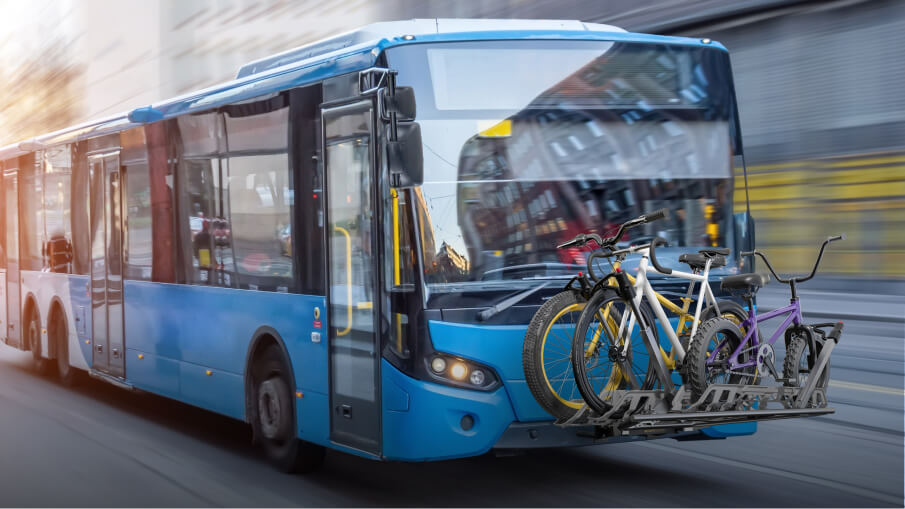
Bike design is evolving faster than ever. Heavier frames, wider tires, electric drives, and non-standard geometries are becoming the norm. As variability increases, so does the challenge of delivering consistent rider access.
When bikes don’t fit the bus racks as intended, it can create safety concerns, hesitation at the rack, and slower boarding. Over time, these inconsistencies impact dwell time, schedule reliability, and overall service flow. Planning for that complexity, requires a change to specifications today – to ensure your solution performs consistently across bike types, reduces variability in rider interaction, and supports reliable operation across the fleet.
What You’ll Learn:
- How evolving bike design is impacting rider access, safety, and boarding consistency
- Key considerations for specifying racks that perform across all bike types
- How standardization improves dwell time, maintenance efficiency, and fleetwide consistency
- How real-world usage data informs specification, planning, and system performance over time
Complete the form to see how a consistent, system-level approach to bike rack specification supports rider access, improves operational performance, and enables more reliable outcomes across every fleet.
Feeling inspired? Share these insights on social.
Gain Access